

An addendum is a piece of written documentation which is added on after the contract has already been signed, and which adds modifications, clarifications, or additions to the contract without cancelling the contract. The addendum will only add new terms or modify existing terms but will not in any way void the original terms. An addendum to a contract, according to the Legal Information Institute from Cornell University School of Law, must be signed by all parties originally part of the contract and must make reference to the contract which it amends. Addenda are used where there are changes to scope of work, payment schedules, deadlines, introduction of new parties, and changes in law. It is common for real estate contracts, employment contracts, leasing contracts, and commercial contracts. It is clear and simple language, does not contradict the original contract, and is filed along with the original contract. Dock 365 hosts addenda with all versions recorded and an audit trail.
Commercial contracts should be dynamic. They must keep up with changing market conditions, legal landscape, and project scope. A little flexibility can go a long way in keeping a contract advantageous in the long run when companies or individuals enter into contractual relationships with suppliers, clients, or partners.
Rather than starting a new contract from scratch, they can add modifications to the existing one. That’s the whole idea behind the addendum. But are all alterations legally enforceable? Whether you are a real estate agent, a lawyer, or a homeowner, understanding what an addendum is and how it works can save you time, money, and legal trouble. This article will examine its definition, various types, and applications across multiple industries.

The addendum is a document that adds, changes, or elaborates on the original contract which has already been signed by all parties involved in the process. It is important to note that an addendum does not supersede the original contract, and only serves to add terms that have either been left out of the original contract or those that have arisen after its execution; the original terms of the contract remain intact and the addendum becomes an integral part of the whole contract.
In case of a dispute between the original contract and the subsequent addendum, the courts will construe the addendum to control over the contract, as it is the latter expression of the intentions of the parties to the contract. This is based on the principles of contract law, as stated by the Cornell Law School Legal Information Institute.
An addendum is considered valid if it is signed by all the parties involved in the contract, if it refers to the contract that it seeks to amend (specifying the name of the contract, its date, and all the parties involved), and if it uses clear language. Without these qualities, an addendum may be challenged in court.
Contracts across industries utilize an addendum to clarify or add terms to an existing contract without changing the original contract’s validity. It serves to update specific aspects of the agreement while retaining the original terms not affected by the changes. Ambiguity or disagreements in contractual terms can lead to disputes and legal consequences. An addendum can help clarify terms that may be unclear in the original contract. They allow for contract modifications without the need to draft an entirely new contract. It can offer extra safeguards for both sides by providing clarification and revision for every concern.
An addendum is appropriate whenever the parties need to change, extend, or supplement an existing executed agreement without renegotiating the entire contract. Common situations that require a contract addendum include:
Change in Scope of Work: It is common that the addendum is written when there is any modification in deliverables, services or scope of the project which was not expected at the time of signing the original contract. An addendum can be created in order to make any amendment in the terms of the original contract.
Adjustment of Payment Terms: Inflation, disruptions in the chain of supply, renegotiation of prices or billings could mean that the payment arrangements need to be altered. The addendum documents this change formally and protects against any disputes in the future regarding what terms were agreed upon.
Extension of Deadlines: In situations where project deadlines change or new deadlines have to be set, the addendum adds additional time to the contract deadline without having to modify the entire document.
Addition of New Parties: An addendum is capable of adding another party to the current contract where the need arises to bring in another subcontractor, partner or counterpart into the contract.
Regulatory or Legal Changes: In the case where there is any change in the applicable law after signing the contract such as a change in terms of safety, security, or even industry regulation, then the addendum will come in handy to update the contract.
Correction of Errors or Omissions: If there was any mistake in the wording of the contract, or even an omission of an essential clause, an addendum serves to amend that information with the approval of all the parties involved.
An addendum can address changes in circumstances, incorporate new information, or correct errors in the original document. While it does not replace the original contract, it serves as an essential tool for ensuring that all parties are on the same page. It becomes part of the legal document and is recognized in court, provided all parties involved agree to its terms. Addendums can be used in various contexts, from real estate transactions to business contracts.
Addenda are used across virtually every area of law and commerce. The most common types are:
A contract addendum is the most common type and is often used in legal agreements. It outlines specific changes to the original contract, including amendments to the terms, conditions, or obligations of the parties involved. For example, if a real estate contract needs to include additional contingencies, a contract addendum will detail those changes.
A general document employed in business deals to make changes to the terms and conditions of the agreement. It includes all aspects such as scope, price, time frame, intellectual property rights, dispute resolution, and confidentiality. It is a broad term that can be applied to all industries.
A lease addendum is used to modify rental agreements. They can cover various topics, such as pet policies, alterations to the property, or changes in rental terms. For instance, if a landlord decides to allow pets after the lease has been signed, a lease addendum can be created to outline the new pet policy.
An additional document to a lease that is used in residential or commercial renting to add property specific conditions to a regular lease contract; examples include pet policy, parking conditions, maintenance, early lease termination and remodeling. The U.S. Department of Housing and Urban Development (HUD) guidelines suggest that landlords utilize standard addenda forms for typical scenarios. A lease addendum is an integral part of the lease contract.
An employment addendum supplements an employee's original employment contract. This type of addendum may address changes in job responsibilities, salary adjustments, or additional benefits. By formalizing changes or additions to the employment contract, both employers and employees can protect themselves legally. An addendum serves as a record of agreed-upon terms, reducing the risk of potential litigation.
An addition to an employment contract with other conditions that are born as a result of changes which occur after the initial employment contract. The use of an addendum allows for keeping the original offer letter as the base document while recording the changes that have taken place after the original contract.
In real estate transactions, an addendum is often used to address specific conditions or contingencies, such as financing, property inspections, or repairs. A common example is the Home Inspection Addendum, which allows buyers to negotiate repairs based on the findings of a home inspection.
Addenda to a real estate contract are common in property purchase agreements where contingencies (financing, inspection, appraisal) need to be added, the closing date changed, what personal property stays with the property or goes with the seller indicated, or if seller concessions need to be recorded. Addendas for real estate in the U.S. are standard, and each state/region has real estate associations that provide approved form documents.

An addendum serves as an important tool in commercial contracts, allowing parties to modify, clarify, or expand upon the terms of an original agreement. Whether it's a change in project scope, payment terms, or deadlines, a well-crafted addendum can prevent misunderstandings and legal disputes. However, to ensure that an addendum is enforceable, there are several key considerations to keep in mind.
A poorly drafted addendum can create ambiguity, contradict the original contract, or fail to bind the parties. The following practices ensure an addendum is clear, complete, and legally defensible:
The foundation of an enforceable addendum is clear, unambiguous language. It’s crucial to ensure that the addendum precisely outlines the changes being made to the original contract. Ambiguities can lead to differing interpretations, which may invalidate the intent of the addendum.
Specificity: Clearly mention what is being changed or added. For example, instead of saying "the project will take longer," state "the project completion date will be extended from October 15 to November 15."
Consistent Terminology: Use consistent terminology throughout both the original contract and the addendum. This helps prevent confusion and ensures all parties are on the same page.
Reference the Original Contract: Clearly reference the original contract by title and date, and explicitly state which sections are being modified.
Clearly identify the contract that is being amended by name, date, and the parties in the initial part of the addendum. The additions, changes, and deletions should be described clearly. Use terms such as “as agreed” or “to be determined” sparingly, if at all. “As Cornell Law School’s Legal Information Institute points out, specific wording of contract amendments makes sure that the court will not have to guess at the intention of the parties to the contract.”
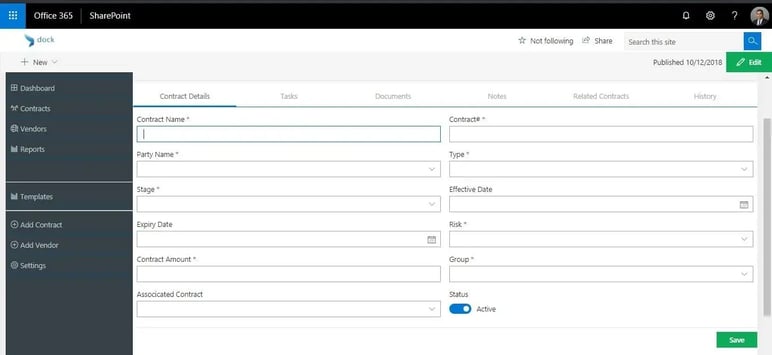
An effective audit trail is vital for legal enforceability. This includes documentation of all communications, approvals, and versions of the addendum leading up to its finalization. Businesses must keep records of every draft and revision of the addendum, including who made the changes and why. This provides context and justification for the final terms.
For online contract management, they must maintain all related email correspondence that discusses the changes to the contract. These emails can serve as evidence of intent and agreement. If changes are discussed in meetings, document those discussions. A formal record can help clarify any misunderstandings and demonstrate that all parties are aware of the amendments. A well-maintained audit trail not only supports the enforceability of the addendum but also protects against potential disputes.
Record the process of how the addendum was negotiated with all draft versions, emails, and meeting minutes. This becomes necessary if the interpretation of the addendum's validity comes into question in the future. The Audit Log feature in Dock 365 tracks the entire process involved in drafting, reviewing, approving, and signing an addendum to a document.
To ensure that all parties have access to the addendum and the original contract, centralized storage is essential. This helps in maintaining version control and provides easy access for all stakeholders. Businesses can use cloud-based storage solutions that allow for secure access and version tracking. This ensures that all parties are working from the most current document. They must ensure that all involved parties have access to the addendum and the original contract. This can help prevent any claims of ignorance about the changes made. When an addendum is created, update all relevant documentation promptly. This includes the master contract file and any other related documents. By centralizing storage, you minimize the risk of discrepancies and ensure that everyone is aligned with the latest agreement.
The existence of an addendum that is maintained outside the original contract leads to a situation where future users may not recognize its presence, thus performing under outdated clauses of the agreement. Dock 365 maintains the addenda in the same file that contains the original contract so that the entire agreement is one coherent whole.
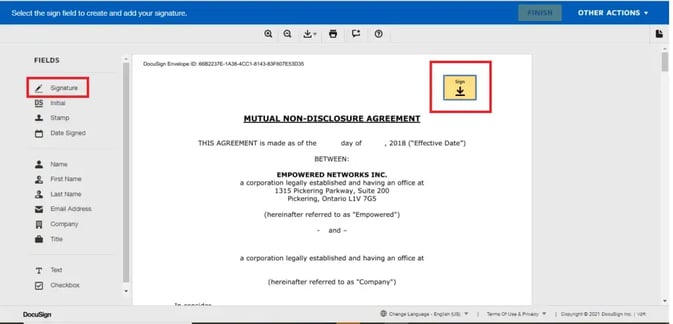
The final step in creating an enforceable addendum is to streamline the signing process. A complicated signing procedure can lead to delays and potential challenges regarding the enforceability of the agreement. Businesses can leverage electronic signature platforms that comply with legal standards. These platforms not only make the signing process more efficient but also provide a record of who signed when.
They must provide clear instructions for signing the addendum, making it easy for all parties to understand how and when to sign to avoid any miscommunication. Setting a timeline for when the signing should be completed encourages timely execution and reduces the likelihood of disputes over delayed responses. By simplifying the signing process, you reinforce the commitment of all parties and enhance the enforceability of the addendum.
The signing of the addendum by all the initial contracting parties is crucial to make it valid because an addendum created unilaterally holds no legal significance. The integration of the e-signature feature into Dock 365 ensures that the addenda go through the process of getting signed by all the relevant parties.
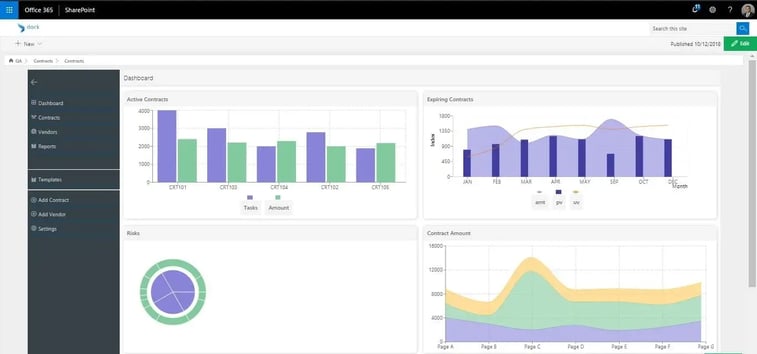
Creating an enforceable addendum requires careful attention to detail throughout the contract lifecycle. Dock 365 offers an all-in-one platform to streamline any changes or amendments to the contractual agreement. From an extensive clause library to e-signature integration, you can ensure that your addendum serves its purpose effectively. The real-time document status, audit trail, and version history ensure everyone is on the same page throughout the process. This proactive approach not only protects your interests but also fosters positive relationships among the parties involved, making it easier to navigate future amendments and agreements.
.png?width=196&height=196&name=MicrosoftTeams-image%20(24).png)