In 2026, the question of whether your SharePoint contract repository is truly secure is no longer a simple yes or no. It depends on how you are using SharePoint, which version you rely on, and how well your system is governed.
The reality is clear: modern SharePoint Online environments can be highly secure, but outdated systems and poor management practices can turn your repository into a serious business risk.
This blog breaks down the evolving SharePoint security landscape, explains the risks hidden in traditional contract repositories, and helps you understand whether your current setup is truly secure-or just giving you a false sense of protection.
The 2026 Security Shift: Why Your SharePoint Setup is More Crucial Than Ever
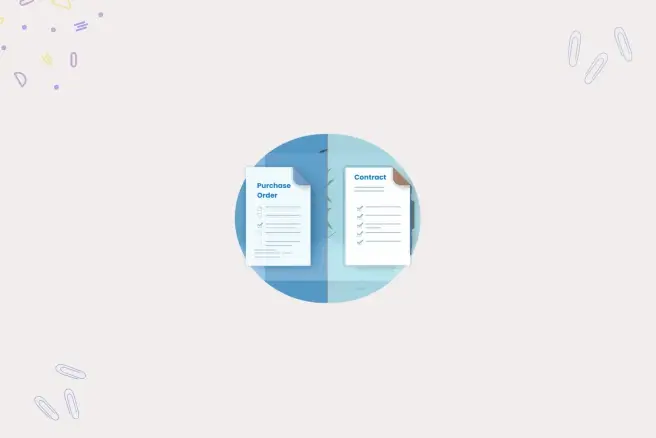
The year 2026 is a critical juncture for security within the SharePoint environment. Organizations that had been using-1.webp?width=300&height=300&name=Untitled%20design%20(13)-1.webp) older versions of contract management software are now at a critical deadline that will affect their security.
older versions of contract management software are now at a critical deadline that will affect their security.
The support for SharePoint Server 2016 and 2019 will come to an end in July 2026. This means that these versions will no longer receive any security patches or updates. This is like leaving a security door open for would-be hackers.
The reason why would-be hackers will target these environments is that they will still have security loopholes since they will not be updated. This is why they will be prime targets for would-be hackers. What will start off as a minor security loophole will eventually turn into a catastrophic breach of security.
On the other hand, SharePoint Online within Microsoft 365 has grown to be a mature product that is constantly evolving to stay at the forefront of security.
The most important thing in 2026 is the implementation of Content Security Policy (CSP) in SharePoint online systems. This adds an extra layer of security to the system, which protects against any potential attacks by ensuring that no dangerous scripts are run in the system, thus protecting against cross-site scripting attacks.
However, in 2026, Microsoft is removing some legacy features in their system, which include old add-ins and authentication. While this is an added layer of security, it means that organizations have to update their systems to avoid crashes.
In a nutshell, your SharePoint system is as secure as it is able to evolve. If your system is outdated and relies on legacy technology, then it is no longer secure enough to store important contracts.
The Hidden Risks Behind “Secure” Contract Repositories
Many organizations think their SharePoint contract repository is safe and secure because it is housed in a safe and.webp?width=300&height=300&name=Untitled%20design%20(29).webp) trusted platform. However, security is not just about the platform; it is about how contracts are being handled in the platform.
trusted platform. However, security is not just about the platform; it is about how contracts are being handled in the platform.
SharePoint is a document management system at heart and not a contract lifecycle management system.
This is a limitation in SharePoint because contracts contain crucial information such as obligations, pricing terms, and renewal terms. This information is embedded in the contracts themselves.
Another problem with SharePoint is that it does not natively support contract lifecycle management. Contracts have different stages such as drafting, negotiation, execution, renewal, and others.
As a result, teams end up using emails and spreadsheets to run different processes. This leads to a fragmented process that is prone to errors.
Permissions also become a problem in large organizations. Although SharePoint allows permissions based on roles and access levels, poor governance leads to permission sprawls. This refers to situations in which too many users have access to contracts.
This not only leads to potential security risks but also makes it difficult to monitor who is viewing critical contracts. This reduces visibility over time while risk increases.
Another problem arises in approval processes. Although SharePoint allows organizations to automate some processes, these processes tend to be static. They lack the intelligence to run complex processes.
An organization cannot easily route approvals based on the value of the contract, risk levels, and deviations in clauses. This leads to manual processes that slow down the system.
The most striking gaps are in post-signature management. The bulk of value is delivered after contract signing, but SharePoint does not provide built-in functionality to track obligations, deadlines, or metrics.
Manual reminders are used to overcome this challenge, but they frequently cause missed deadlines, unnoticed penalties, and missed revenue growth.
Even renewal management is a challenge in SharePoint. Contracts are not provided with renewal data, which creates difficulties in identifying renewal opportunities.
Auto-renewals are frequently done with unfavorable conditions, which reduces an organization’s ability to negotiate and achieve better results in terms of finance.
However, all these challenges point to an important truth: a secure repository is not merely a matter of storage but also control and visibility.
From Storage to Strategy: Rethinking Contract Security in 2026
To answer the question clearly-Is your SharePoint contract repository truly secure in 2026?.webp?width=300&height=300&name=Untitled%20design%20(41).webp)
If you are working with an on-premises version of SharePoint (2016 or 2019), then the answer is no. Continuing to use outdated platforms brings many security and compliance issues.
If you are working with SharePoint Online in a Microsoft 365 system, then yes—the answer is yes, but only if it is properly configured.
Although moving to the cloud is an important step in improving security in SharePoint contracts, it is only step one. To achieve security in SharePoint contracts, the right combination of technology, process, and management is important.
First and foremost, organizations must perform an audit of existing repositories to identify outdated platforms, outdated features, and customizations that are not supported. Moving to SharePoint Online before critical deadlines is important to ensure security.
Secondly, after migrating to the cloud environment, organizations need to focus on access control. Role-based access control is very important to ensure that authorized persons are able to access the contract.
The use of modern authentication methods also helps in security by eliminating old authentication methods.
The next major step in improving security is to take advantage of new compliance tools like Microsoft Purview. This helps in monitoring data usage, data retention policies, and maintaining an audit trail.
However, despite all these developments, SharePoint might not be considered effective in dealing with complex contract systems.
As the number of contracts grows, organizations need more than just storage; they also need contract intelligence, automation, and visibility.
This is when modern contract lifecycle management comes in. This allows contracts to move away from being static documents to becoming data-driven contracts.
With their integration with SharePoint, these solutions promise a single system that not only stores the contracts in a secure fashion but also tracks, analyzes, and optimizes them.
This method avoids many of the risks that a repository may pose, including meeting deadlines, regulatory requirements, and visibility.
In 2026, the most secure organizations are not those that store their contracts; they are those that manage and govern their contracts.
Final Thoughts: Is Your Repository Truly Secure?
The answer is quite simple.
A SharePoint contract repository can be considered secure in 2026 under certain circumstances.
It must be built on SharePoint Online, without any legacy ties, and with robust governance in place.
It must include access controls, modern authentication, and robust compliance tools.
Most importantly, it must grow into a system that not only goes beyond document storage but actually provides contract visibility and contract lifecycle management.
Absent these components, even the most sophisticated system can be inadequate, leaving your organization at risk from preventable and costly consequences.
Security in 2026 is no longer just about protecting files. It is about ensuring that all contracts are not only visible and controlled but also aligned to business objectives.
Ready to Secure and Simplify Your Contract Management?
If your organization is still stuck in basic SharePoint repositories, it may be time to reconsider your strategy.
Dock 365 CLM turns SharePoint into a powerful, secure, and fully governed contract management solution. Automated workflows, compliance tracking, and more help your contracts not just be stored, but actually managed.
Take control of your contract lifecycle today.
Schedule a free demo with Dock 365 today to see what smarter, more secure contract management looks like.
.webp)