

Warranty letter for construction projects is a written document issued by the contracting party upon completion of the project. It outlines the time frame of the warranty; its terms, exclusions, and the process of submitting claims for any deficiencies. It should state the time of the contractual warranty ("one year from the date of substantial completion"), what items are included in it, mention exceptions (neglect on the owner's part, alteration not done by the contractor, environmental occurrences), define the right of the contractor to choose the means of redress (repair, replacement, or reduction in value), and outline the claims process, including notice requirement, inspection rights, and deadlines. According to research, 63 percent of the deficiency notices submitted within the warranty period are legitimate claims. Thus, the warranty letter is one of the most important documents used for risk management by contractors. It should also include references to the mandatory deadlines, known as statutes of repose and statutes of limitation.
A warranty letter rarely receives much attention at construction closeout. Most contractors consider it routine paperwork; however, it quietly carries immense legal weight.
 In addition, the construction industry continues to experience an escalation of defects in claims in different parts of the world. Some research shows that approximately 63% of the notifications made of defects in the warranty period were valid claims.
This shows that most complaints made by the owners are valid and have legal implications. The warranty letter becomes the first document to be looked at.
It determines whether the contractor will retain control over the solution or lose control entirely.
This blog will show you how a modern warranty letter can act as your main risk management tool. You will learn ten crucial elements structured into three pillars.
Here are the 10 elements every construction warranty letter should contain, organized across three strategic areas:
Rule 1: State the Exact Contractual Warranty Period Define the duration precisely — for example, "one year from the date of substantial completion" or "two years from the date of turnover." Vague language such as "a reasonable time" creates enforcement uncertainty.
Rule 2: Reference Statutory Deadlines Contractual warranty periods do not eliminate statutory obligations. Every state has (a) a statute of repose — an absolute cutoff date running from project completion — and (b) a statute of limitations - which begins when a defect is discovered. Always note that these statutory deadlines operate independently of and may override the contractual warranty period.
Rule 3: Address Implied Warranties State law may impose implied warranties of workmanship, habitability, or structural soundness automatically, regardless of what the contract says. If your jurisdiction permits disclaimers, use bold, specific language - but be aware courts often construe implied warranty disclaimers narrowly in favor of owners.
Rule 4: Establish a Remedial Hierarchy Specify that the contractor has the exclusive first right to select the remedy: repair, replacement, or damages based on diminution in value. This prevents owners from demanding disproportionate replacement when repair is adequate.
Rule 5: Identify the Exact Work Covered List the specific deliverables, materials, and labor activities within the warranty's scope. Vague coverage language invites claims for work outside the original contract.
Rule 6: List Explicit Exclusions Common exclusions include: owner neglect or failure to maintain, unauthorized modifications, normal wear and tear, environmental damage, and pre-existing conditions. Courts require exclusions to be clear and conspicuous.
Rule 7: Reference Performance Standards Specify the standards against which work will be evaluated — manufacturer specifications, project design documents, or applicable industry standards (e.g., ACI standards for concrete, ASHRAE standards for HVAC). This prevents disputes about what "defective" means.
Rule 8: Define Notice and Reporting Requirements State exactly how claims must be submitted — in writing, to a specific contact, within a defined timeframe after discovery. Informal claims by text or verbal conversation should not restart the warranty clock.
Rule 9: Preserve Inspection Rights The contractor must have reasonable access to the site to verify a reported defect before committing to a remedy. Specify that the owner must provide access within a stated number of days of notice.
Rule 10: Set Response Timelines and Documentation Requirements Establish the contractor's obligation to acknowledge a claim, schedule an inspection, and initiate repair within defined timeframes. Require written summaries of all findings and actions taken to create a defensible audit trail.
Your legal exposure does not just magically disappear when a building is considered complete. Too many contractors are surprised by this reality when some form of a dispute arises.
A well-crafted warranty letter for construction work assists in defining when that exposure truly ends. It sets timelines, clarifies boundaries, and eliminates ambiguity for future claims.
The warranty letter must clearly specify in simple language the contractual period of warranty. Examples of such clauses are "one year after turnover" or "two years after completion."
Such clauses help both parties to know when the express obligations terminate. Nevertheless, the above mentioned contractual period goes hand in hand with statutory deadlines set by law.
They include the statute of repose that sets an absolute deadline after completion. There is also a statute of limitations that starts on defect discovery.
Such legal deadlines exist regardless of the wording in your warranty clause. Many people assume that the warranty period controls all other deadlines.
 In addition to express warranties, several implied warranties are automatically imposed by the state laws. These warranties may be of workmanship, habitability, or structural integrity.
These warranties are not derived from the contract itself and may take an unwelcome shape for the unexperienced contractor. It is important that you make your limitation or disclaimer known, if it is possible under the laws of your jurisdiction.
The courts generally require that a disclaimer of the implied warranty should be clear and unequivocal. Even so, the courts will always decide in favor of owners against contractors most of the time.
When defects do occur, disputes frequently revolve around how the issue should be fixed. Owners often seek replacement or cash compensation, or even major repairs that are unwarranted under the circumstances.
Warranty letters require setting out the remedial hierarchy that will limit your financial risk.
In this remedial hierarchy, the contractor alone is allowed the option of choosing the remedy.
The contractor can elect to fix or repair the defect in the work directly. Alternatively, the contractor could opt for damages on the basis of loss of value.
This valuation ensures that there is no demand for unnecessary repair relative to the defect. This option is always supported by the courts as long as it is well-defined.
Two provisions that tend to be overlooked but that can make the warranty process much stronger are the provision for the non-transferability of the warranty and the provision for the financial veto on the warranty. Non-transferability of the warranty means that warranty privileges are available only to the original contracting owner. It restricts the transfer of liabilities through property transfers into the future.
It makes sure that all obligations stay with known individuals. The financial veto of the warranty is an additional measure of protection that you should put into place.
It will suspend or cancel the warranty until payments are up-to-date. It encourages prompt payments and protects the contractor financially.
Clear coverage can avoid confusion, conflict, and escalating post-construction disputes. A well-drafted warranty letter defines the exact boundaries of responsibility, helping both parties understand what is included and what is excluded.
 The warrant letter should clearly explain what work was done according to the agreement. It must mention the final deliverables, material installed, and key labor activities associated with the project.
If there is ambiguity in the contract, the owner may ask for repairs for something that never belonged to the initial contract at all. It leads to additional expenses in the long run.
It will make sure that the warranty applies only to the contracted work, not some unrelated system or modifications in the future.
The exclusions protect the contractors from liability for matters which are totally unrelated to their craftsmanship. Typical examples may include owner negligence, environmental occurrences outside the scope of work, any unsanctioned repair works, or wear and tear of materials.
In the event that there are no clear exclusions, then the owners may attempt to hold the contractors responsible for damage caused by weather conditions, abuse, or structural changes.
It is important to note that the listing of exclusions will impose certain responsibilities on the owners themselves and prevent them from making unrealistic demands.
Your warranty letter should be based on the performance standards that you expect from the work. These could involve manufacturer's standards, industry standards, or design specifications which you have agreed to collectively.
If the materials behave according to expectation, then the contractor is shielded from any false accusations. Disputes generally occur when the owner views normal behavior of the material as defective.
Performance expectations will prevent such misunderstanding.
The validity of a warranty depends on the fulfillment of specific obligations by the owner. These may include regular maintenance, notification of any defects, and refusal to conduct repairs on one’s own.
Failure to follow the important procedures in the maintenance process results in deterioration or propagation of the defects. The letter should include the fact that the owner’s failure disqualifies him from obtaining repairs.
Such a requirement is important for the sake of fairness and protection of the contractors from unreasonable claims.
Large projects may contain mechanical, electrical, or specialty installed systems, and in these cases, there is a need to define boundaries. In the warranty letter, there must be an identification of which elements are covered by the manufacturers’ warranty and which are covered by the contractor.
By doing so, any confusion regarding who is responsible for the repairs in case of any defects will be avoided in the future.
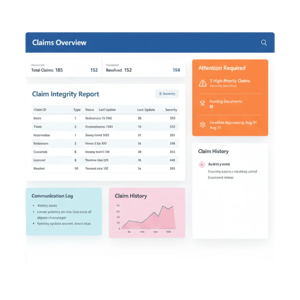 A warranty is only as good as the process that backs up the claims made in it. Even a well-drafted warranty becomes less effective when the process for claims is unclear and/or inconsistent.
A formalized process would ensure fairness, openness, and timely resolution for either party.
The warranty letter should give details on how the defect claims should be made as well as the time limit. The owners have to be informed of the exact process of filing the claims, including emailing and written notices.
If there is no clarity on how to report the problem, there may be informal claims, hence delays and confusion. The notification process gives the parties a systematic mode of communication.
This process avoids issues of late reporting or missed notifications.
A contractor requires reasonable access to verify the defect before taking any actions. The warranty letter should state the necessity for the inspection of the area that needs to be inspected on time.
The process of verification can help to avoid unnecessary work because the defect will be verified according to warranty conditions. Otherwise, the owner could request some measures on assumption or wrong assessment.
Access to site helps to provide objective situation assessment without unnecessary expenses.
The warranty letter should indicate a predictable response timeline for all substantiated claims. Contractors should be obligated to respond within an appropriate time frame to acknowledge the claim and to schedule an inspection and subsequent repair.
Without such a timeline, owners can assume an unreasonable level of urgency and escalate conflicts. A formal response system keeps expectations at a realistic and professional level.
Any warranty claim should produce proper documentation from the involved parties. The letter needs to call for written summaries of the issues reported, findings from the inspection, and finally, the actions taken.
Documentation prevents misunderstandings and creates a defensible record if any dispute arises in the future. This also ensures both parties maintain transparency and professionalism.
The way that warranty management is approached as relationship management, the most mundane transactions become highly effective strategic strengths. Clients appreciate the contractors that communicate in a clear manner and show professional consistency in handling their concerns.
They appreciate contractors that are respectful of the legal framework but at the same time show true concern for quality. Such an approach builds strong relationships and reduces the risk of conflict, even years down the line.
Set claims handling and scope of transparency, and the talks about the warranty become much easier and more collaborative.
Organized digital environment with proper documentation provides great value to today's warranty management process. In fact, communication unification, centralized documentation storage, and workflow management consistently have been assured through systems developed with Microsoft 365.
For teams seeking a streamlined and legally sound process, Dock 365 provides an excellent foundation. Built on Microsoft 365, it offers contract lifecycle tools aimed at providing clear documentation, structured communication, and organized warranty management.
If you want to build client trust and take your warranty process to the next level, now may be the ideal time to check out better tools. Book a demo with Dock 365 and experience a smarter, more organized approach to warranty management.
Like our content? Subscribe to our newsletter on LinkedIn for more insights and updates.