
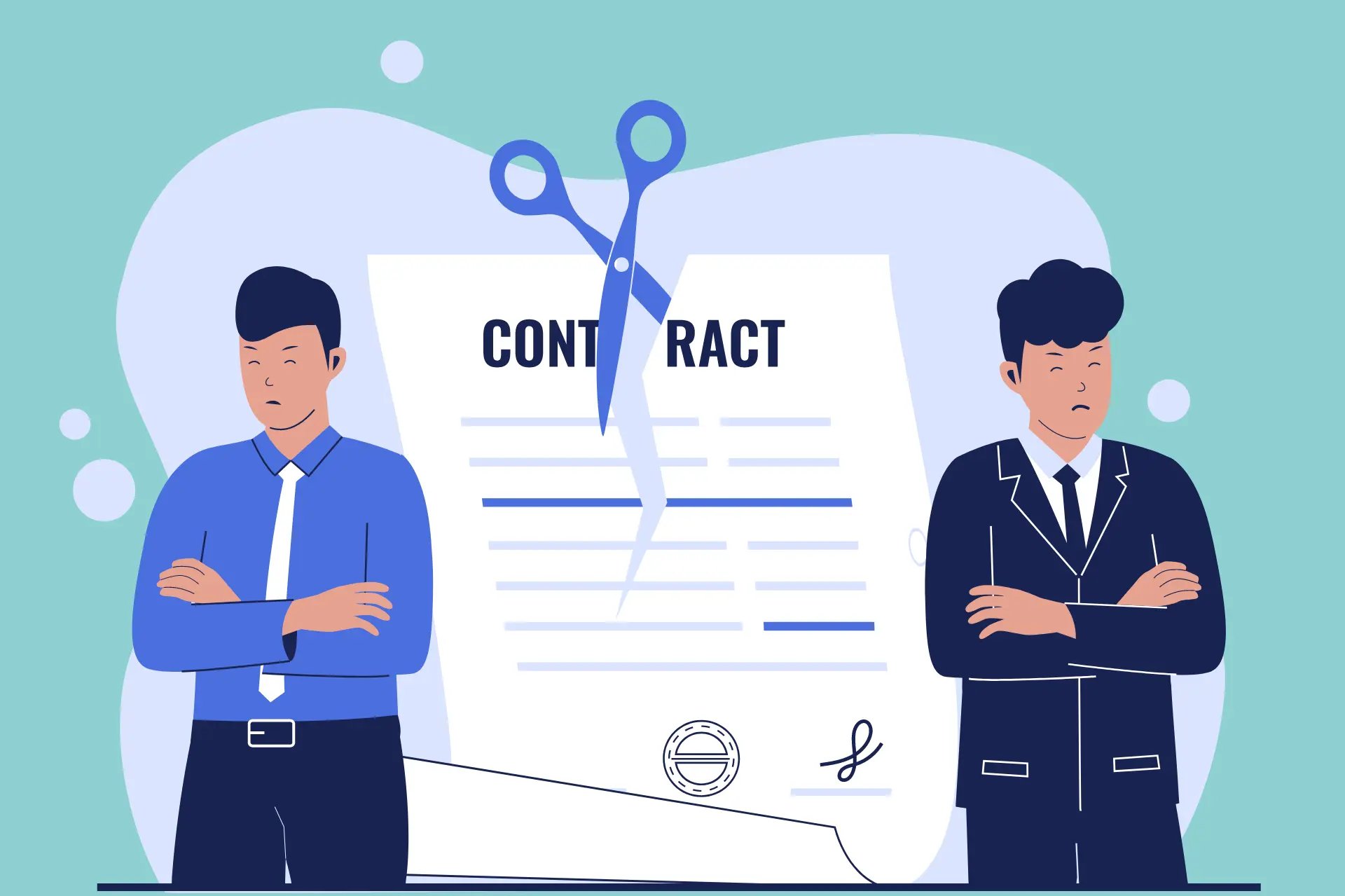
An expired contract refers to a legal document that has reached the completion of its period as indicated therein. After the contract has expired, the parties involved will no longer be under any obligation to perform anything as regards the obligations stated in it. It is important to note that expiry of the contract does not necessarily terminate the business relationship between the contracting parties since it is possible for the parties to renew, extend or amend the contract as per their wishes. Some of the major problems associated with expired contracts are the following: failure to perform under the expired contract, loss of negotiating power and failure to comply with the regulations that require coverage by the contract. The best practice when it comes to preventing contract expiry is scheduling.
Contractual relationships always come to an end eventually. Whether it’s vendor, customer, or employment agreements, there’s bound to be an end date. How do businesses handle these expired contracts? Does every contract have an expiration date? Do you just stop fulfilling your obligations when the date arrives? What if you lose track of the date? Or do they continue to exist like zombie contracts? There are so many questions surrounding expiring contracts.
Before entering into a contractual relationship, businesses need definitive answers to these questions. Here’s all you need to know about expired contracts and what it means for all parties involved.

What is an expired contract?
An expired contract is an agreement that is legally binding and has run its course. When the expiry date of the contract comes to pass, the parties involved are no longer required to adhere to the conditions stated in the agreement. This implies that the terms in the contract are not enforceable anymore.
The expiry of a contract does not necessarily mean that the relationship between the two parties comes to an end. At times, the two parties may decide to renegotiate and extend the contract. The parties are no longer bound by the terms when they fail to adhere to them.
One of the implications of an expired contract is that any rights or obligations outlined in the original agreement are no longer enforceable. It can have significant consequences if one party relies on the contract terms for certain benefits or protections.
An expired contract is different from a terminated contract. Expiry is the natural end of an agreement that has run its full course - both parties performed as required for the duration, and the contract simply reached its end date. Termination is a premature end, usually triggered by breach, mutual agreement, or a contractual exit right. Understanding the difference matters because the remedies, obligations, and legal effects can differ. A contract that expires without renewal creates a clean break; a terminated contract may leave residual claims for damages or obligations that survive termination.
What are the common reasons for contract expiration?
Contract expiration is a crucial event in the business world. Understanding the reasons behind it and preparing for them is relevant to successful contract management. It enables parties to ensure there is no gap in procuring or delivering goods or services.
-
Time-based expiration
One of the most common reasons for contract expiration is time-based. Contracts often have a specified duration for which they are valid. Once this period elapses, the contract expires. It could range from a few months to several years, depending on the nature of the agreement. Parties must keep track of these timelines to ensure compliance and avoid unintended breaches. Fixed-term contracts have a specified end date at which the agreement will terminate.
-
Achieving the contractual purpose
Normally, the reasons for entering into contracts are to accomplish certain goals or purposes. There would be no need to prolong the agreement once the parties involved have accomplished their purpose or obligations. Here, the contract may automatically end once its purpose is accomplished. This type of contract ending illustrates why it is important that the preparation of the contract should be clear about the intended purpose. Contract ending due to projects or tasks accomplished.
-
Mutual agreement
Sometimes the most commercially sensible outcome is for both parties to agree to an early end date. This might happen because the business need the contract was meant to serve no longer exists, because a better vendor or partner has been found, or because the relationship has deteriorated to the point where continuing is not viable. An agreed early expiration (technically a discharge by agreement rather than natural expiry) should always be documented in writing to prevent disputes about ongoing obligations.
-
Automatic renewal clauses that were not triggered
Many contracts include auto-renewal provisions that extend the agreement by a fixed period (e.g., 12 months) unless one party provides notice of non-renewal by a specified deadline. When that notice deadline passes without action, the contract renews automatically. When the deadline is missed in the other direction - the party intending to renew fails to act - the contract may expire unexpectedly. Organizations with large contract portfolios frequently lose track of these dates, particularly when managing contracts in spreadsheets or email rather than a dedicated CLM system.
What are the effects of an expired contract?
A contract initiates a sequence of events upon reaching its expiration date. It is critical to comprehend what occurs when a contract ends before exploring the implications of an expired contract. An expired contract means that the terms and conditions agreed upon by both parties are no longer legally binding. It can lead to uncertainty and potential disputes if not strategically addressed.
Practical checklist — what to audit when a contract expires:
- Has all payment been exchanged? Any outstanding invoices must still be settled.
- Have all deliverables been provided and accepted?
- Are there any survival clauses (confidentiality, non-compete, indemnification) that continue beyond expiry?
- Has the other party been notified that the contract has expired and services/obligations will cease?
- Has any proprietary information, access credentials, or equipment been returned?
- Is regulatory or compliance documentation required to evidence the contract's active period?
Termination of rights and obligations
Expiration of a contract results to expiration of the terms and conditions that were included in the contract. This means that the parties are not bound by the contract to execute their duties such as making payment, delivering services, among others. In the case where a contract of sale is expired, the seller is not bound anymore to deliver the good while the buyer is not required to pay for it.
Potential legal ramifications
The end of a contract may also have possible legal implications. If any party decides to continue performing according to the terms of the contract that has expired, then it is important for them to show implied or explicit consent to carry on with the contract. This can either be by being bound to the old contract or making a new one with the same terms.
Impact on business relationships
The biggest effect that comes about after the expiry of a contract is in the business relationship of the parties involved. A contract acts as the structure for the relationship and provides direction on how the relationship will take shape. With the expiry of the contract, there is nothing to guide the relationship.
What should you do when your contract expires?
When a contract reaches its end, it's time to take action. Whether it's a lease agreement, a service contract, or a job contract, expiration dates can affect business operations and contractual relationships. The first step is to review the terms of the contract. Businesses must pay close attention to any clauses related to renewal, termination, or extension options before taking further steps.
Extend the contract
When your agreement comes to an end, one thing that you can do is to extend the agreement. It will make sense if you have found the terms of the existing agreement satisfactory and you would like to maintain the relationship with the other party. It will help you save the time and effort because you will not have to enter into a fresh agreement. But before extending the agreement, businesses need to analyze the terms and conditions in order to see whether they fulfill their requirements or not.
Enter into a new contract
Alternatively, another thing that you can do after your contract ends is to sign a new contract. You have an option to renegotiate the terms and conditions of the agreement. In this regard, firms get the chance to rescind terms that are no longer ideal for their operations. This provides a chance for parties to settle any grievances in regard to past contracts and establish new terms. There is need to examine the old contract before signing a new one.
Let the contract lapse (with documentation)
Not every contract should be renewed. If the relationship, vendor, or agreement no longer serves your organization's needs, the expiry of the contract is a natural exit point. In this case, formally document the lapse — confirm in writing with the other party that the contract has expired and no renewal is intended. This prevents any implied continuation and provides a clean audit trail showing when the contractual relationship ended.
How can you prevent issues with expired contracts?
When a contract expires, the terms and conditions outlined in the agreement are no longer legally binding. It can lead to misunderstandings, missed deadlines, and disputes over payment or deliverables if the parties aren’t ready for it. In some cases, expired contracts can even leave your business vulnerable to legal action.
-
Implementing contract management systems
One of the most effective ways to prevent issues with expired contracts is by implementing contract management systems. These systems help businesses centralize all their contracts in one place, making it easy to track important details such as expiration dates, renewal terms, and key obligations. By using a contract management system, businesses can automate contract workflows, set up alerts for upcoming expirations, and ensure that contracts are properly managed throughout their lifecycle.
-
Establishing renewal reminders
Another important strategy for preventing issues with expired contracts is to establish renewal reminders. By setting up automated reminders for contract renewals, businesses can ensure that they are aware of upcoming expiration dates well in advance. This allows them to proactively engage with the other party to negotiate new terms or extend the contract, thereby avoiding any lapse in the agreement. Renewal reminders can be set up through contract management systems, calendar tools, or even simple email reminders to key stakeholders.
Best practice is to set three automated reminders: 90 days before expiry (strategic review - should the contract be renewed, renegotiated, or allowed to lapse?), 30 days before expiry (action required - initiate renewal or notify the other party of non-renewal), and 7 days before expiry (final check - confirm the action taken is documented and reflected in the system).
-
Regularly reviewing contract expiration dates
In addition to implementing contract management systems and setting up renewal reminders, businesses should also make it a priority to regularly review contract expiration dates. By conducting periodic reviews of all active contracts, businesses can identify contracts that are approaching their expiration dates and take proactive steps to address them. It could involve initiating renewal discussions, renegotiating terms, or terminating the agreement.
Monthly or quarterly contract portfolio reviews should include a report of contracts expiring in the next 90-120 days. This gives teams enough runway to make deliberate decisions rather than reactive ones.

Conclusion
Organizations understand the significance of a contract in safeguarding their interests and facilitating efficient operations. Nevertheless, one mistake that many organizations often make is handling an expired contract. An expired contract can cause confusion, conflicts, and legal problems, which may affect your business operations.
It is essential to begin with an evaluation of the expired contract. You need to be aware of what is required in the contract in order to see how much the expiration of such contract may affect your business operations.
.png)