
In today’s fast-moving business environment, contracts are no longer static documents stored in folders or buried inside email threads. They are living records that define obligations, protect revenue, manage risk, and shape long-term business relationships. As organizations grow, the number of contracts they manage increases rapidly, and so does the complexity tied to tracking, reviewing, and enforcing them.
This growing complexity is one of the biggest reasons why businesses are moving away from traditional, manual contract processes. Digital contract management systems have emerged as a practical and scalable solution to challenges that paper-based and spreadsheet-driven methods can no longer handle efficiently.
The shift is not just about technology adoption. It is about gaining control, improving visibility, reducing risk, and enabling growth. Below, we clearly answer why this transition is happening by breaking down the core reasons businesses adopt digital contract management systems and how they create measurable business value.
From Lost Documents to Instant Access: Why Accessibility Comes First
One of the most immediate problems businesses face with manual contract management is accessibility. Contracts stored across emails, desktops, shared drives, and filing cabinets create confusion rather than clarity. Even when teams believe they know where a contract is, retrieving it often takes far longer than expected.
In a manual environment, contract searches depend heavily on individual memory. When employees leave, files go missing. When teams work remotely, access becomes restricted. When urgency arises, valuable time is wasted searching instead of acting.
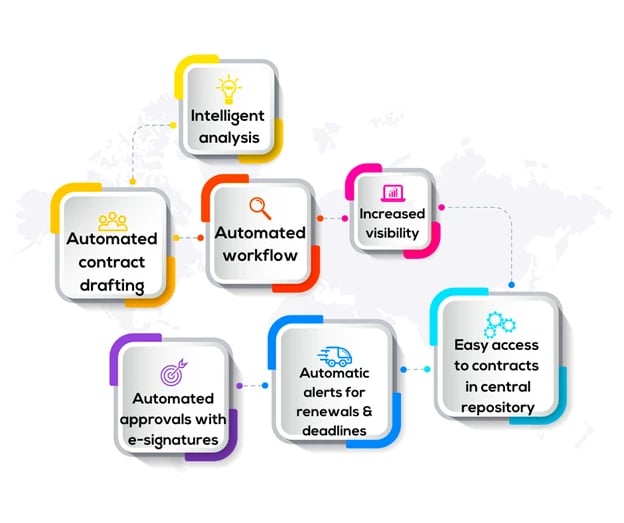
Digital contract management systems solve this by centralizing all contracts in one secure repository. This single source of truth allows authorized users to locate agreements instantly, regardless of location. Whether an employee is working from the office, home, or another country, contracts remain available with just a few clicks.
This level of accessibility becomes critical during audits, negotiations, disputes, or urgent renewals. Instead of delaying decisions due to missing documents, businesses can respond confidently and quickly. Over time, this improved access directly supports smoother operations and faster turnaround times.
Remote access is often underestimated, but it has become one of the most valuable features of digital contract management software, especially in distributed and hybrid work environments. By ensuring contracts are always available when needed, businesses eliminate unnecessary downtime and maintain operational momentum.
Visibility, Speed, and Control: The Core Benefits Driving Adoption
As contract volumes grow, visibility becomes just as important as access. Leadership teams, legal departments, and compliance stakeholders need real-time insights into contract status, obligations, and risk exposure. Manual systems make this nearly impossible.
When contracts are scattered across departments, answering basic questions becomes difficult. Teams struggle to confirm renewal dates, identify governing clauses, or assess contractual risk without digging through files. This lack of visibility leads to delayed decisions and avoidable mistakes.
Digital contract management systems provide transparency across the entire contract lifecycle. With built-in search, reporting, and tracking features, teams can quickly understand where each contract stands. They can view execution status, upcoming deadlines, and key terms without relying on multiple handoffs or manual updates.
This transparency strengthens collaboration. Legal teams can review clauses instantly. Leadership can assess portfolio-level insights. Procurement and sales teams can align contract activity with business goals. Everyone works from the same, accurate information.
Time savings are another major driver of adoption. Manual contract processes consume valuable hours through repetitive tasks like searching documents, tracking deadlines, and manually reviewing terms. As workload increases, these inefficiencies multiply.
Digital contract management saves time through automation. Routine tasks such as notifications, reminders, clause searches, and status updates happen automatically. Dashboards present critical information clearly, reducing the need for follow-ups and manual checks.
When teams spend less time managing contracts administratively, they gain more time to focus on strategic work. This shift improves productivity, morale, and overall business efficiency.

Reducing Risk and Supporting Growth Through Smart Contract Systems
Risk management is one of the most compelling reasons businesses transition to digital contract management. Manual systems expose organizations to missed deadlines, unnoticed auto-renewals, and lost contractual obligations. These issues can result in financial loss, compliance failures, and reputational damage.
Without automated reminders, contracts may renew unintentionally. Termination windows may pass unnoticed. Obligations may remain unfulfilled simply because no one was alerted in time. Physical calendars and spreadsheets cannot prevent human error.
Digital contract management systems actively reduce risk. Automated alerts notify teams of upcoming renewals, expirations, and key milestones. Filterable calendars help track obligations by contract type, department, or priority. This proactive approach ensures teams are prepared well before critical dates arrive.
Beyond deadlines, digital systems improve risk oversight by maintaining a complete audit trail. Changes, approvals, and contract versions are documented clearly. This level of accountability strengthens governance and simplifies audits.
Cost efficiency is closely linked to risk reduction. Missed renewals and unmanaged obligations often lead to unnecessary spending. Digital visibility allows businesses to evaluate contracts more strategically, decide when to renegotiate, and avoid unfavorable terms.
As businesses grow, these benefits become even more important. Scaling operations manually is not sustainable. Increased contract volume brings higher complexity, more stakeholders, and greater compliance demands.
Digital contract management is built for growth. It allows organizations to store and manage thousands of contracts without losing control. As demand increases, the system adapts without adding administrative burden.
By supporting automation, accessibility, visibility, and risk mitigation, digital contract management systems create a strong foundation for long-term growth. Businesses gain confidence knowing their contract processes can support expansion rather than restrict it.

Conclusion
The transition to digital contract management is no longer a trend. It is a business necessity. Companies that rely on manual processes face growing inefficiencies, increased risk, and limited visibility into one of their most critical business assets.
By adopting a digital contract management system, businesses gain instant accessibility, improved transparency, significant time savings, stronger risk control, and a platform that supports sustainable growth. These five reasons clearly explain why organizations across industries are making the shift.
A centralized, automated, and secure approach to contract management empowers teams to work smarter, make informed decisions, and protect business value at every stage of the contract lifecycle.
Ready to Modernize Your Contract Management with Dock 365?
At Dock 365, we help businesses transform contract management using a SharePoint and Microsoft 365–based digital contract management system. Our solution is designed to centralize contracts, improve visibility, automate workflows, and strengthen compliance across your organization.
With Dock 365 Contract Management System, you can reduce risk, eliminate bottlenecks, improve turnaround times, and scale confidently with a secure and collaborative platform.
Schedule a free demo with Dock 365 today and see how it can simplify and strengthen your contract management process.